
Understanding the psychological triggers behind gambling behavior in casinos
Understanding the psychological triggers behind gambling behavior in casinos
The Allure of Chance and Uncertainty
Gambling taps into the human attraction to chance and uncertainty, which can evoke feelings of excitement and anticipation. The thrill of potentially winning large sums of money can be irresistible, especially in environments designed to maximize these emotions. Casinos often employ lighting, sounds, and visuals that create an atmosphere of euphoria and possibility, making it easier for individuals to lose track of their time and spending. This excitement can be heightened during high-stakes games, as the stakes involved create an adrenaline rush that further fuels the desire to participate. Many beginners find that exploring platforms like https://zinx1.com/ provides an accessible way to understand the landscape of gambling.
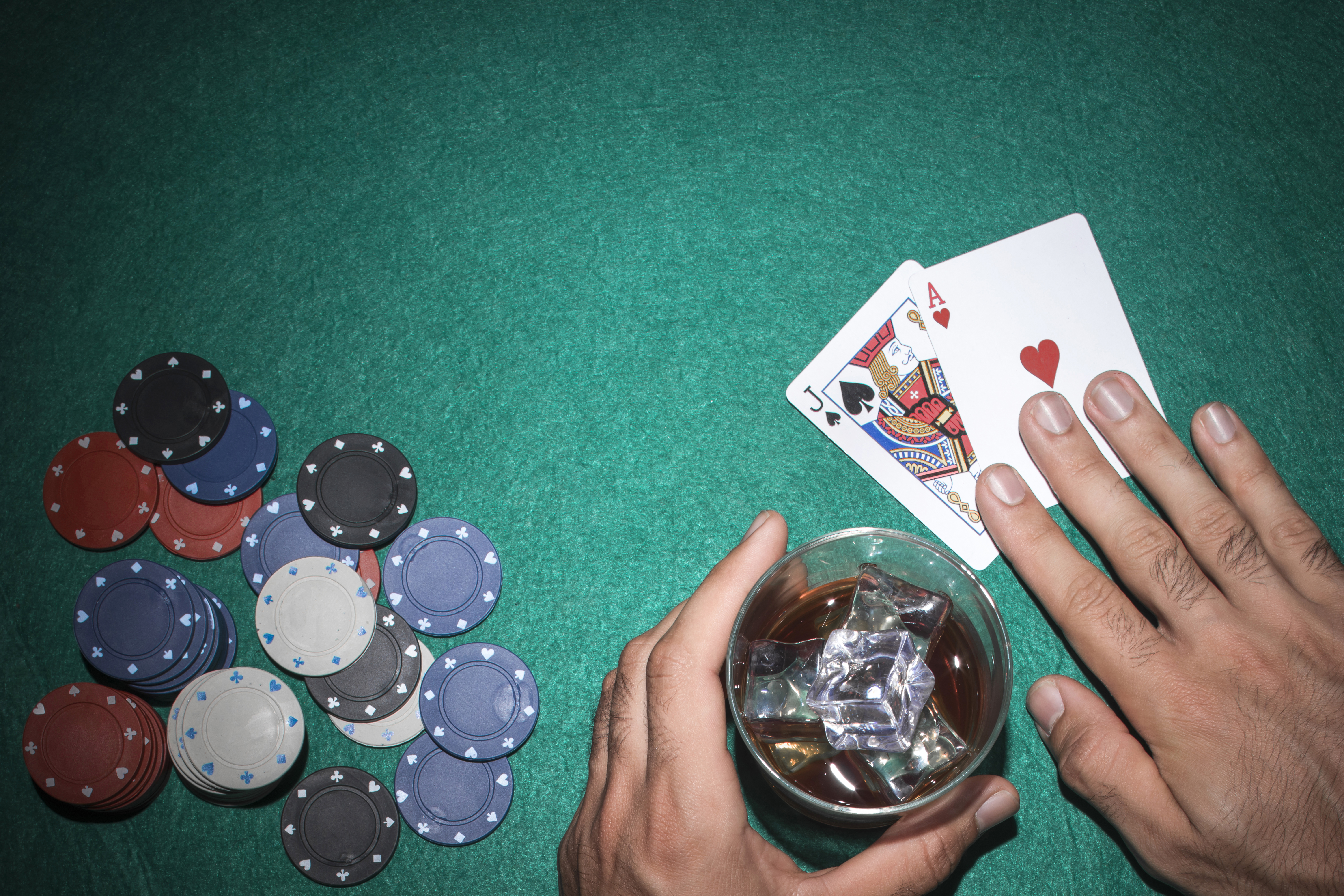
The unpredictability of gambling outcomes plays a crucial role in encouraging continued play. Unlike many activities that provide a straightforward result, such as sports, gambling introduces an element of randomness that keeps players guessing and engaged. This uncertainty can trigger a psychological response similar to that found in other risky behaviors, such as extreme sports or investment in the stock market, where the potential for loss coexists with the allure of significant gain. This combination can lead to a cycle of repeated gambling behavior as individuals seek to replicate or exceed their initial thrill.
Moreover, the psychological phenomenon known as the “near miss” plays a significant role in gambling behavior. When players almost achieve a win—like rolling a pair of sevens in a game of craps—they experience a heightened emotional response that often feels rewarding. These near misses can create a false sense of confidence, leading players to believe that they are on the verge of winning, thus encouraging them to continue gambling. This behavior highlights the powerful connection between psychology and gambling, making understanding these triggers essential for awareness and responsible gaming.
The Role of Cognitive Biases
Cognitive biases significantly influence gambling behavior, often leading players to make irrational decisions. One common bias is the illusion of control, where individuals believe they have more influence over outcomes than they actually do. Gamblers often perceive that their skills or choices can affect random events, making them more likely to engage in risky betting. This false sense of mastery can prolong gaming sessions, as players remain hopeful that their strategies will eventually pay off, despite the inherently random nature of the games.
Another cognitive bias is the gambler’s fallacy, where players mistakenly believe that past outcomes affect future results. For instance, if a roulette wheel has landed on red several times in a row, a player might assume that black is “due” to win next. Such misconceptions can lead to poor betting strategies and increased losses, as gamblers chase their perceived ‘winning streaks’ or attempt to recover losses through risky bets. Understanding these biases is crucial for both players and operators in fostering a healthier gambling environment.
Additionally, the framing effect can also impact decision-making in gambling. This cognitive bias refers to how information is presented, which can significantly alter perceptions and choices. For example, when a betting opportunity is framed as a “chance to win” rather than “risk of losing,” players may be more inclined to take action. This manipulation of context can lead to greater engagement and potentially harmful gambling behavior, emphasizing the importance of awareness and critical thinking in decision-making processes.
The Influence of Social and Environmental Factors
The social environment surrounding gambling can greatly enhance the experience and encourage participation. Casinos are often designed as social hubs, with group games and lounges that promote interaction among players. This camaraderie can lead to increased excitement and engagement, making individuals more likely to gamble. The social aspect of gambling can also normalize the behavior, especially in cultures where casino gaming is prevalent, as group dynamics can amplify risk-taking behavior and reduce individual hesitation.
Moreover, the presence of rewards and incentives, such as loyalty programs and bonuses, can significantly influence gambling behavior. Casinos often use these incentives to attract and retain players, creating a cycle where individuals feel compelled to return to capitalize on offers. This reward structure can also encourage longer play sessions and higher stakes, as players seek to maximize their perceived value from the gaming experience. Understanding the impact of these social and environmental factors is crucial for responsible gambling practices.
Additionally, peer pressure can be a potent force in gambling settings. Individuals may feel compelled to participate in gambling activities to fit in with friends or social circles, leading them to ignore their personal limits. This pressure can make it challenging to recognize when to stop, ultimately contributing to detrimental gambling habits. Awareness of these social influences can help individuals make more informed choices and maintain control over their gambling behavior.
The Emotional Connection to Gambling
Gambling often serves as an emotional escape for many individuals, providing a temporary distraction from everyday stressors. The thrill of potentially winning can produce feelings of joy and elation, providing a sense of purpose and excitement. However, this emotional connection can quickly turn negative if gambling becomes a coping mechanism for unresolved issues. Those who gamble to escape may find themselves trapped in a cycle of dependence, as they increasingly rely on gambling to generate positive feelings, leading to potential addiction.
Moreover, the emotional highs and lows associated with gambling can mirror the complexities of life, making it an appealing form of entertainment for some. The feelings of euphoria during wins are often contrasted by despair during losses, which can create a powerful emotional rollercoaster. This intensity of emotion can lead to compulsive gambling behavior, as individuals chase the highs while attempting to avoid the lows. Understanding this emotional connection is crucial for recognizing the potential dangers of gambling.
Lastly, awareness of emotional triggers can help individuals approach gambling more mindfully. By recognizing the feelings that lead them to gamble, players can develop healthier coping strategies and set boundaries that promote responsible gaming. This level of self-awareness is essential in mitigating the risks associated with gambling and fostering a more balanced approach to entertainment.

Exploring Responsible Gaming with Zinx
Platforms like Zinx provide an engaging gaming experience while emphasizing the importance of responsible gaming. Offering a wide range of games and sports betting options, Zinx caters to a diverse audience while implementing features designed to encourage mindful gambling. This includes tools for setting betting limits, self-exclusion options, and access to resources for problem gambling, ensuring players can enjoy their experience without compromising their well-being.
Furthermore, Zinx actively promotes education about the psychological triggers behind gambling behavior. By raising awareness of the emotional, cognitive, and social factors that influence gambling, players can make informed choices that align with their personal limits and values. This commitment to player education fosters a safer environment where individuals can enjoy gaming while minimizing the risks associated with excessive gambling.
Ultimately, Zinx’s approach to combining exciting gaming options with a focus on responsible practices serves as a model for the industry. By prioritizing player well-being alongside entertainment, Zinx helps cultivate a healthier gambling culture that emphasizes enjoyment without the dangers of addiction or financial distress. This commitment to a balanced gaming experience showcases the importance of integrating psychological understanding with responsible gaming practices.